
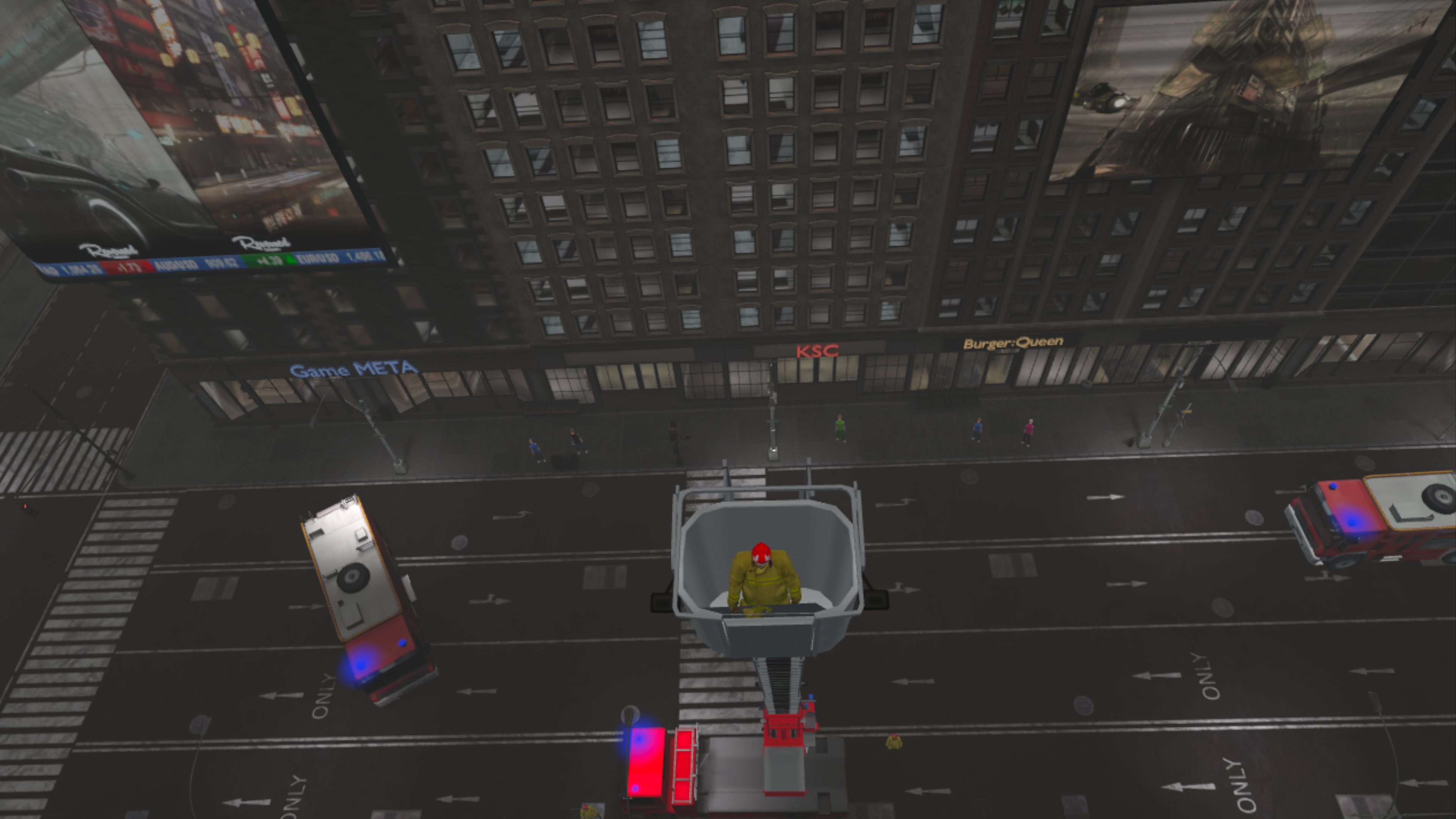
test
To jest testowy kurs
VR session
Practical scenario
3 languages
VR headset and PC VR
Controllers or hands
About 2 x 2 m
Optional commands
About this training
To jest testowy kurs
This page presents the course as a complete VR training scenario: the participant does not only watch instructions, but acts inside a simulated environment and follows decisions step by step.
Fallback content is replaced automatically when the API provides a richer description, program, case studies or video assets for this specific application.
What the VR experience looks like
The preview section highlights the details that usually help teams evaluate a VR app before rollout: scenario flow, interaction style and how the participant works inside the module.
Realistic context
The participant enters a task-based situation instead of reading static instructions.
Decisions under pressure
The scenario guides choices, action order and consequences typical for practical training.
Repeatable rollout
The same training standard can be launched for many groups, locations and languages.
A trailer or recording can be added once the media is available in the API.
What participants practice
The key actions, decisions and behaviors worth showing even when the API does not yet provide detailed skill data.
Situation assessment
Recognizing hazards, available tools and next steps before taking action.
Step-by-step procedure
Practicing the right action order in an environment where mistakes are safe.
Communication
Making decisions, giving instructions and reacting to feedback during the scenario.
Standard reinforcement
Repeatable practice helps teams act consistently across locations and training dates.
Training program
A suggested module flow until the backend provides the final lesson program.
Scenario introduction
The participant learns the goal, context and interaction rules of the VR environment.
- Station calibration
- Training goal briefing
Practical exercise
The main part focuses on decisions, action order and responding to feedback.
- Situation analysis
- Procedure execution
- Mistake correction
Debrief
After the scenario, the participant receives a clear view of performance and improvement points.
- Result review
- Recommended repeat
Where it is useful
Common rollout contexts for VR courses in organizations.
Onboarding
A fast introduction to operating standards without blocking production workplaces.
Recurring training
A repeatable module that can be launched for many groups and compared between sessions.
Safety Day
An engaging workshop format that involves participants more than a classic presentation.
Competency audit
A practical way to check whether the participant understands and can perform the procedure.
Who it is for
Default audience groups for VR modules inside an organization.
- New employees during onboarding
- Teams going through recurring training
- HSE coordinators and shift leaders
- Training groups during Safety Day or workshops
Why VR works in training
This section strengthens the business value of the page until detailed case studies are part of the API.
Safe practice
Risky or costly situations can be trained without stopping work or exposing participants.
Consistent standard
Every group goes through the same scenario, instructions and completion criteria.
Higher engagement
Participants act, see consequences and remember procedures faster.
Easier scaling
The same module can be rolled out across many locations, languages and dates.
Related courses
 1 min
1 minFirst course
No translation KEY: fc46c0f2-ce5e-4cfb-a6ee-af35553be716 for language English! ID:fc46c0f2-ce5e-4cfb-a6ee-af35553be716
 20 min